If you are looking for a place that feels smaller and more grounded without being cut off from the Portland-Vancouver region, Ridgefield is worth a closer look. A lot of buyers are drawn to the idea of more space, outdoor access, and a true town center, but they also want a practical commute and everyday convenience. Ridgefield offers that mix, with a city that is growing quickly while still holding onto its small-town feel. Let’s dive in.
Ridgefield at a glance
Ridgefield is a small city in northwestern Clark County along the I-5 corridor. As of July 2025, the Census estimate put the population at 16,132, up from 10,319 in the 2020 Census. That kind of growth tells you Ridgefield is not standing still.
City planning materials also make it clear that more growth is on the way. Ridgefield is actively planning for new neighborhoods, mixed-use areas, and infrastructure improvements. If you move here, you are moving into a city that is still shaping its next chapter.
What the lifestyle feels like
One of the biggest draws of living in Ridgefield is the balance between everyday calm and regional access. You get a community that feels more personal and less hectic than a major metro core, while still being close to Vancouver and the broader Portland area.
That shows up in the way the city presents itself. Ridgefield centers community life around parks, events, schools, and public spaces, which gives the city a strong sense of place. For many buyers, that translates into a lifestyle that feels connected, outdoorsy, and easy to settle into.
Historic downtown gives Ridgefield character
Downtown Ridgefield plays a big role in daily life. It is compact, walkable in feel, and home to City Hall, the post office, the community library, the community center, and the police station. That concentration of public services helps downtown feel active and useful, not just scenic.
Main and Pioneer streets add to that appeal with a small-town commercial core. You will find shops, restaurants, a coffee house, antique stores, a gift boutique, a tea house, and a historic theater. It is the kind of downtown that gives the city personality and gives you a place to return to for errands, coffee, or local events.
Community events are part of the rhythm
Ridgefield is not just a place where people live. It is also a place where the city puts real effort into bringing people together. Community programming is a visible part of local life, especially in and around historic downtown.
The city’s events calendar regularly includes the Farmers Market, coffee connections, dragon boat paddles, and library activities. Overlook Park and nearby public spaces also support First Saturdays and other gatherings. If you like towns where public events actually help shape the local rhythm, Ridgefield has that energy.
Outdoor access is a major perk
If being outside matters to you, Ridgefield stands out. The city describes the Ridgefield National Wildlife Refuge as the city’s backyard, and that is a big part of what makes living here feel different from many suburban communities.
The refuge spans 5,300 acres and offers opportunities to kayak or canoe a 21-mile water trail, explore land trails, and observe wildlife. That kind of access is a meaningful lifestyle feature, especially if you want nature close to home instead of needing a long weekend plan to find it.
Beyond the refuge, the local park system also adds to day-to-day livability. Places like Abrams Park and Overlook Park bring together trails, sports fields, plazas, and green space near downtown. That gives you more than one way to enjoy the outdoors, whether you want recreation, open space, or community events.
Housing in Ridgefield
Ridgefield has a primarily residential base, but the housing pattern is not one-size-fits-all. The city’s zoning includes low-density residential areas intended mainly for detached single-family homes, medium-density areas that allow a broader mix of housing types, and mixed-use districts around downtown, the Junction, and other growth areas.
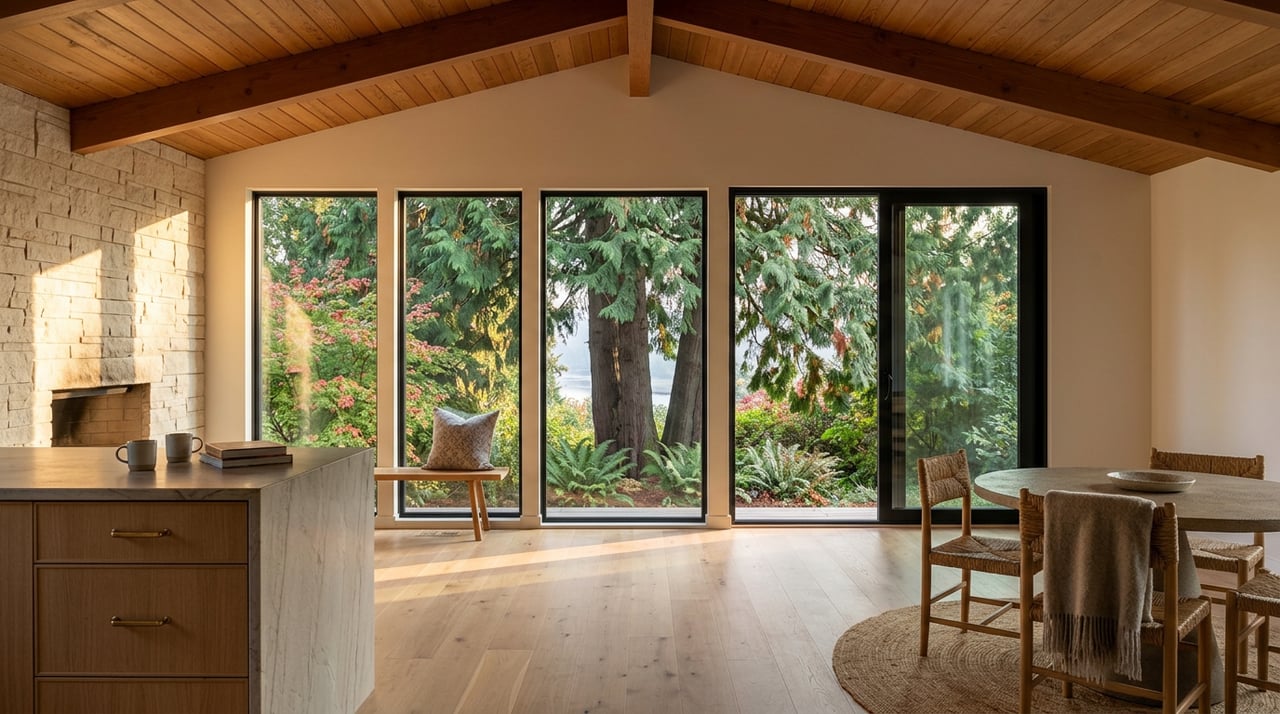
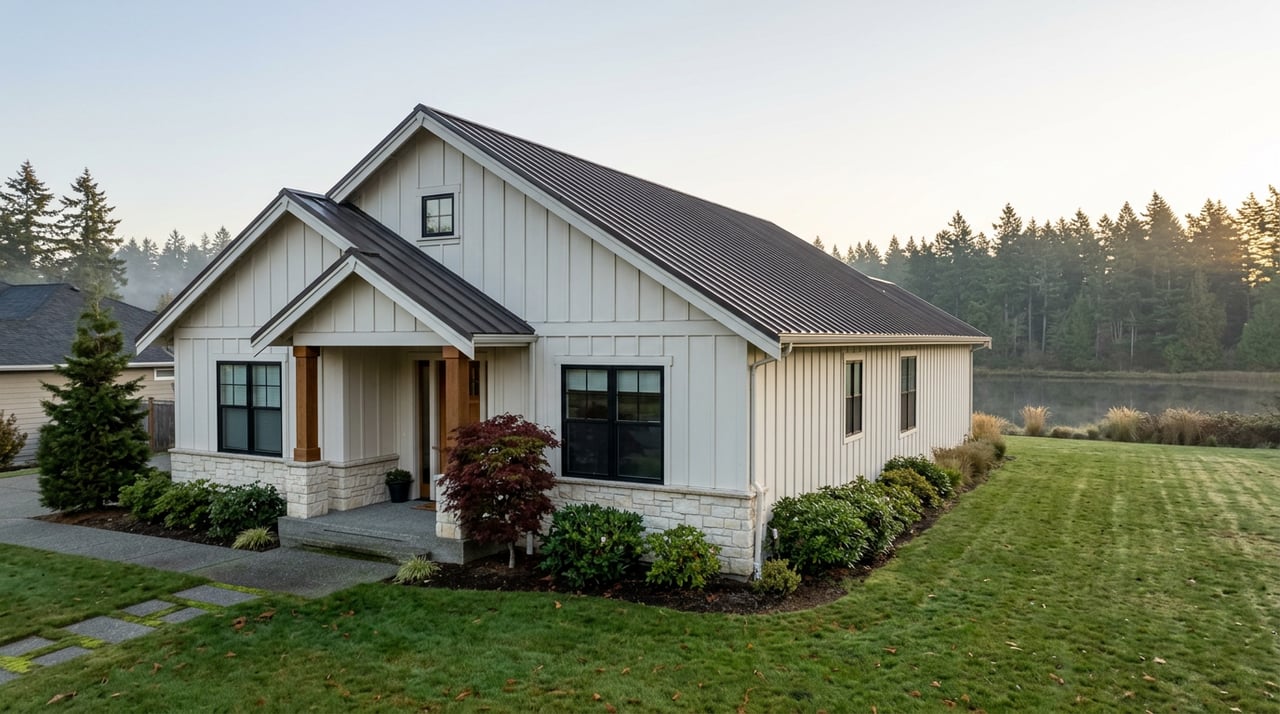
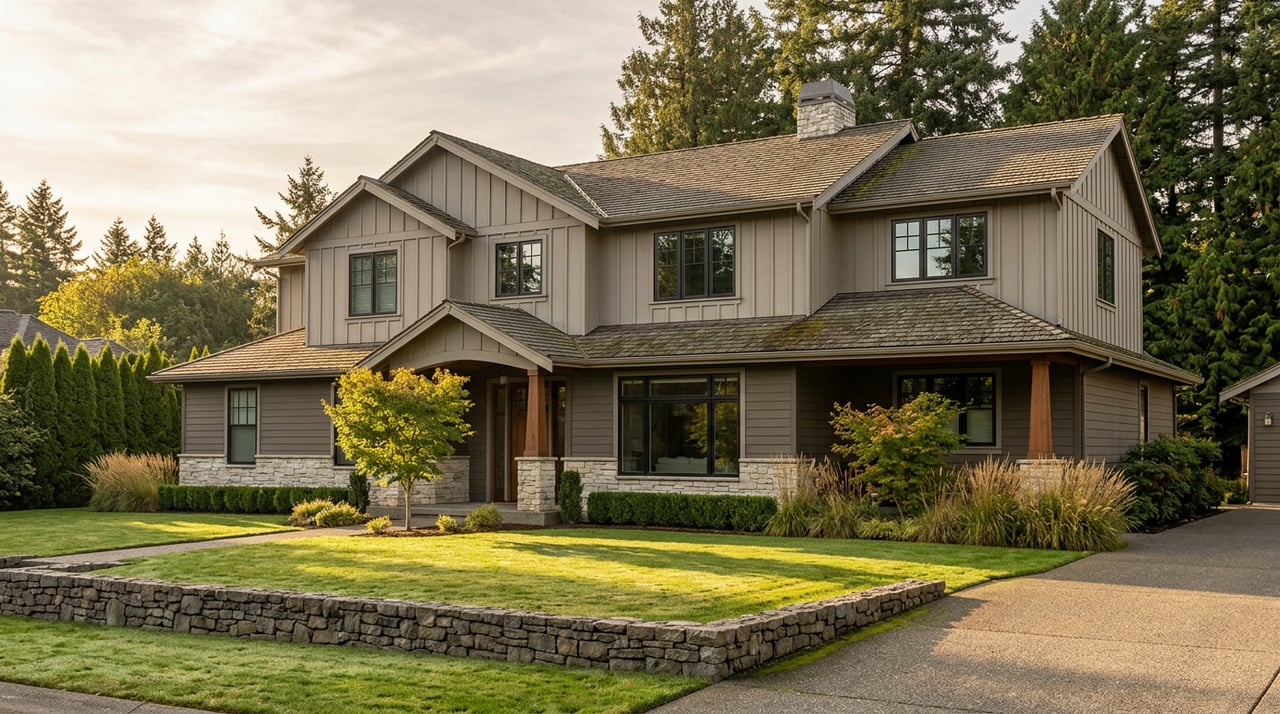
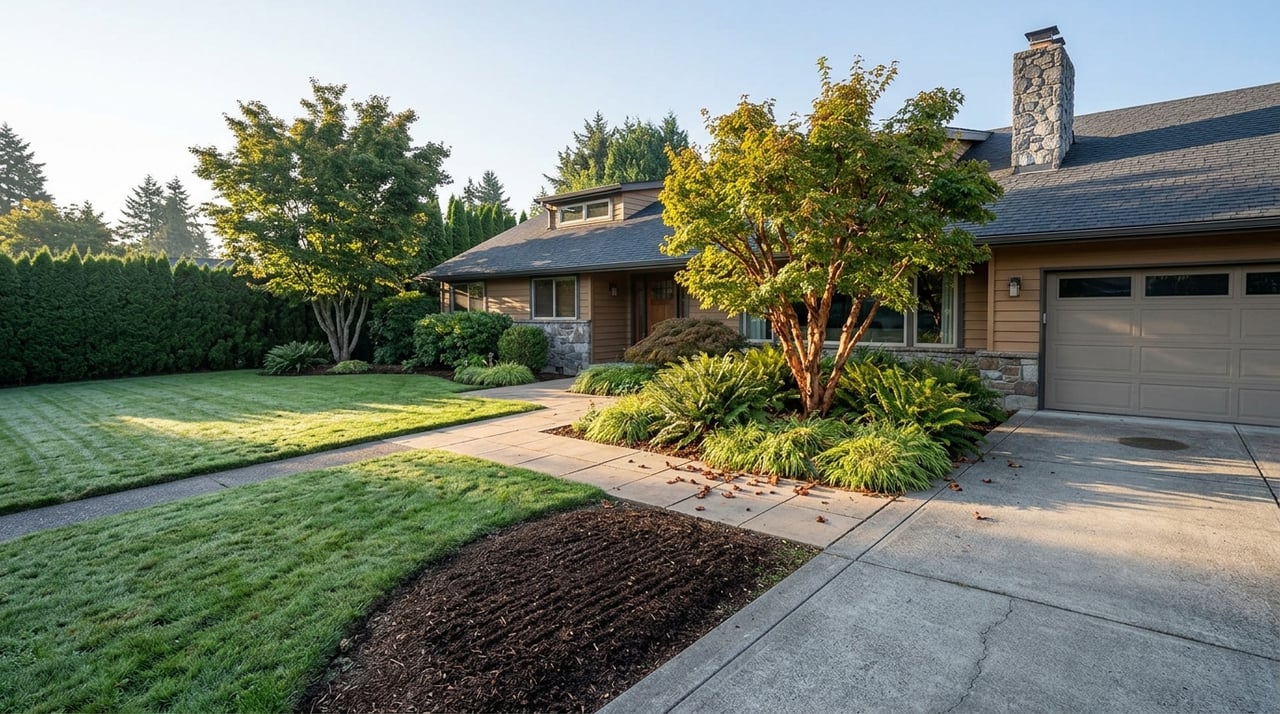
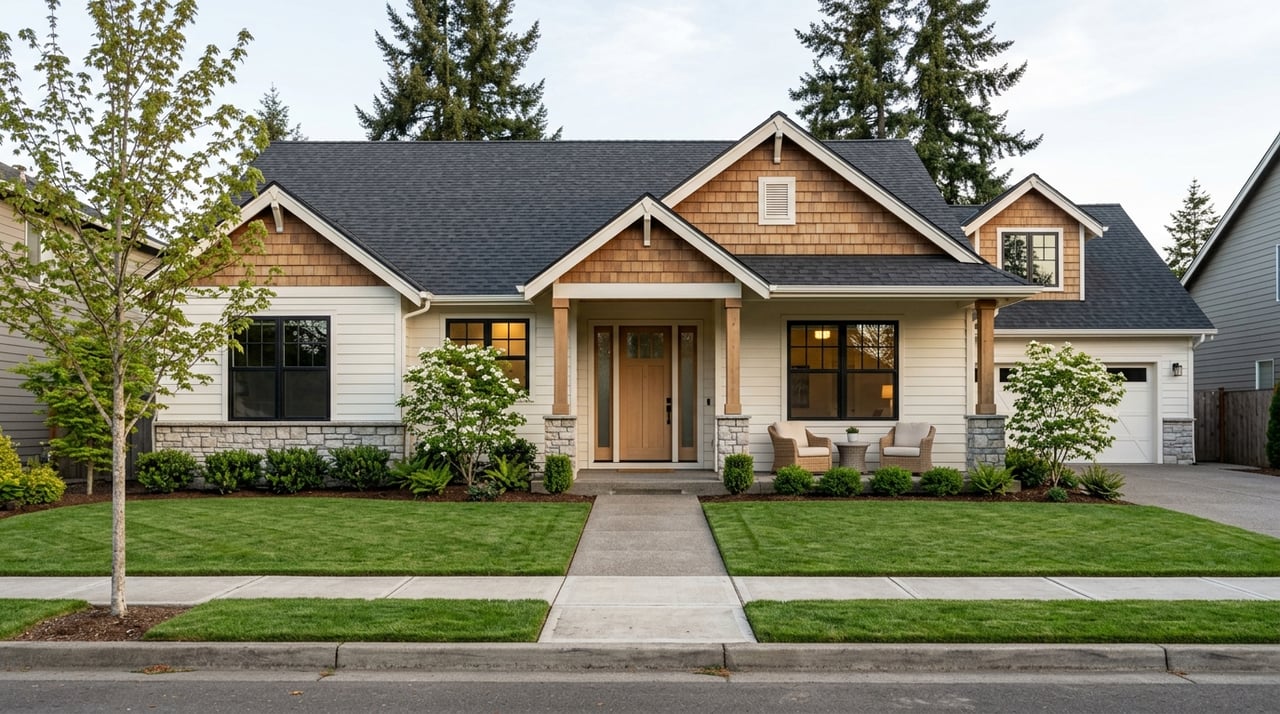
In practical terms, that means you will see both older historic residential structures and newer subdivisions. The city is also encouraging new neighborhoods with pedestrian-friendly amenities and parks. If you are deciding between established character and more modern layouts, Ridgefield offers examples of both.
A market that leans owner-occupied
Ridgefield’s housing profile skews strongly toward ownership. Census QuickFacts reports an owner-occupied housing rate of 82.0%, which is high enough to reinforce the sense that this is more of a homeowner-focused community than a renter-dominated market.
The same data shows a median owner-occupied home value of $613,500. Median monthly owner costs with a mortgage are $2,545, and median gross rent is $2,335. Those numbers give you a useful baseline as you compare Ridgefield with other Clark County and Portland-area options.
Growth brings opportunity and change
For many buyers, Ridgefield’s growth is part of the appeal. A growing city often brings new housing, updated infrastructure, and more services over time. Ridgefield’s long-range planning reflects that, with a clear focus on new neighborhoods, mixed-use nodes, and long-term development.
At the same time, it is important to understand the tradeoff. Ridgefield is still in a build-out phase, so some areas may feel newer, more transitional, or still in progress compared with more mature communities. If you value a place that is evolving and expanding, that may feel exciting. If you want a fully built-out environment, it is something to weigh carefully.
Commuting from Ridgefield
Ridgefield’s location along I-5 is a major practical advantage. Pioneer Street and SR 501 connect downtown to the freeway junction, which helps residents move between local streets and the broader region.
City sources describe Ridgefield as close to the Portland-Vancouver metro area, and that regional access is a big reason people consider moving here. You can enjoy a smaller-city setting while still staying connected to jobs, shopping, and services outside Ridgefield.
Transit and driving expectations
Ridgefield does have transit connections, including C-TRAN Route 48 and The Current, which provide local service within Ridgefield and La Center and connections to places like Junction Park & Ride and the 99th Street Transit Center.
Still, the current transit pattern suggests a community that works best for people who are comfortable driving or using connector-style transit. If you are expecting a dense, city-scale bus network, Ridgefield may not feel like the right fit. If you mainly want freeway access with some transit support, it can make a lot of sense.
Schools and a growing district
For buyers who are thinking long term, Ridgefield’s public school system is also growing alongside the city. The Ridgefield School District lists Ridgefield High School, View Ridge Middle School, Sunset Ridge Intermediate School, South Ridge Elementary School, Union Ridge Elementary School, Ridgefield Early Learning Center, Wisdom Ridge Academy, and Innovation Ridge CAPS.
The district also said in September 2025 that it would open a third elementary school and move to a K through 5 elementary model beginning in the 2026 through 2027 school year. That reflects the broader story of Ridgefield itself. The city is growing, and local systems are adapting to serve a larger population.
Census age data adds more context here. About 28.1% of Ridgefield residents are under 18, which supports the idea that the city has a relatively family-heavy age profile.
Who Ridgefield tends to fit best
Ridgefield often appeals to buyers who want small-town character, outdoor access, and a more residential setting without giving up regional connectivity. It can be a strong option if you like the idea of newer neighborhoods, a visible community calendar, and quick access to I-5.
It may also fit you well if you are relocating and want a clearer separation from busier urban environments while staying linked to the Portland-Vancouver area. On the other hand, if your top priority is dense transit, a fully built-out cityscape, or a highly urban feel, Ridgefield may not check every box.
Why buyers keep Ridgefield on the list
What makes Ridgefield stand out is not just one feature. It is the combination of a real downtown, active community events, meaningful outdoor access, and a housing landscape that includes both established and newer options.
For many people, that mix creates a lifestyle that feels practical and personal at the same time. You are not just choosing a house here. You are choosing a city that is growing fast, staying connected to its identity, and offering a lifestyle that many buyers are actively looking for.
If you are thinking about a move to Ridgefield and want straightforward local guidance on neighborhoods, commute fit, and housing options, reach out to Daniel Treacy. He can help you sort through the details and make a confident move.
FAQs
What is daily life like in Ridgefield, WA?
- Daily life in Ridgefield often centers around a small downtown, local events, parks, and easy access to outdoor recreation, with regional access via I-5.
What types of homes are common in Ridgefield, WA?
- Ridgefield includes older historic residential homes, newer subdivisions, detached single-family housing in low-density areas, and a broader mix of housing in medium-density and mixed-use zones.
Is Ridgefield, WA a good fit for commuters?
- Ridgefield can work well for commuters who want I-5 access to Vancouver and the broader Portland area and are comfortable driving or using connector-style transit.
What outdoor activities are available in Ridgefield, WA?
- Ridgefield offers access to the Ridgefield National Wildlife Refuge, including water trails, land trails, wildlife observation, and local parks such as Abrams Park and Overlook Park.
Is Ridgefield, WA still growing?
- Yes. Ridgefield has grown significantly since 2020, and city planning documents show continued focus on new neighborhoods, mixed-use growth areas, and infrastructure planning.
What should buyers know about Ridgefield, WA schools?
- Buyers should know that the Ridgefield School District includes multiple schools and is expanding, with a third elementary school and a K through 5 elementary model planned for the 2026 through 2027 school year.