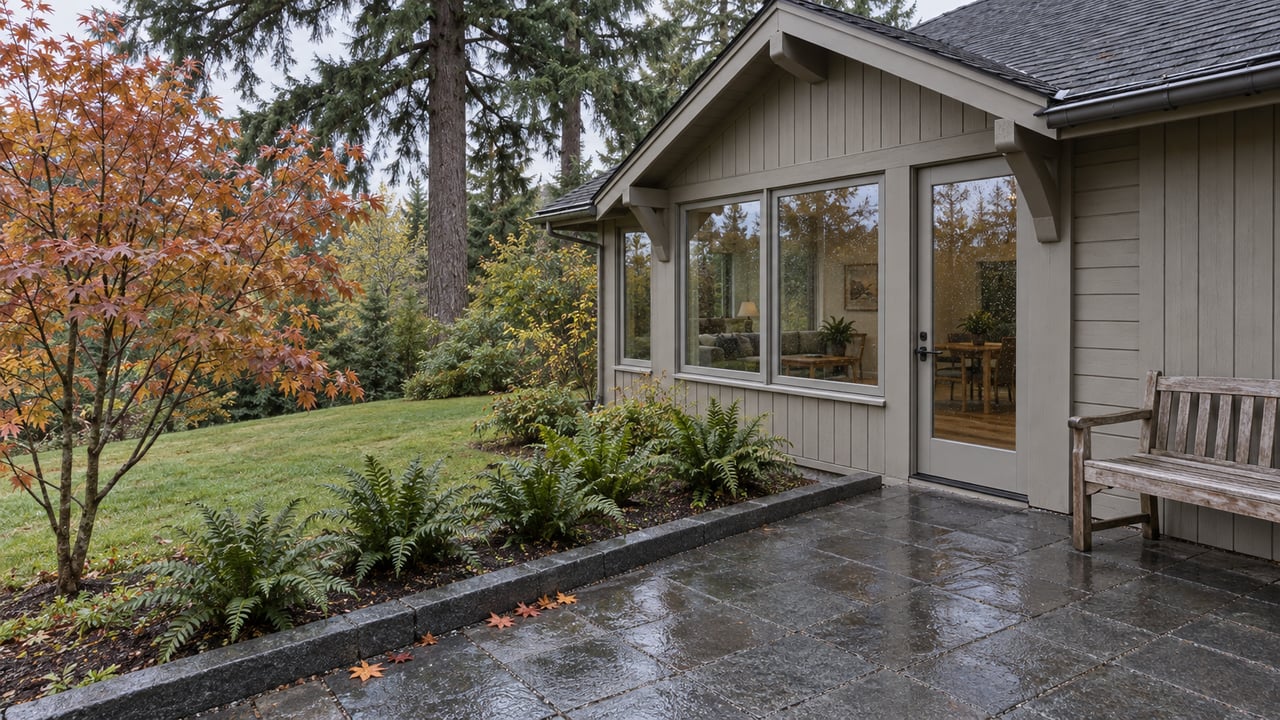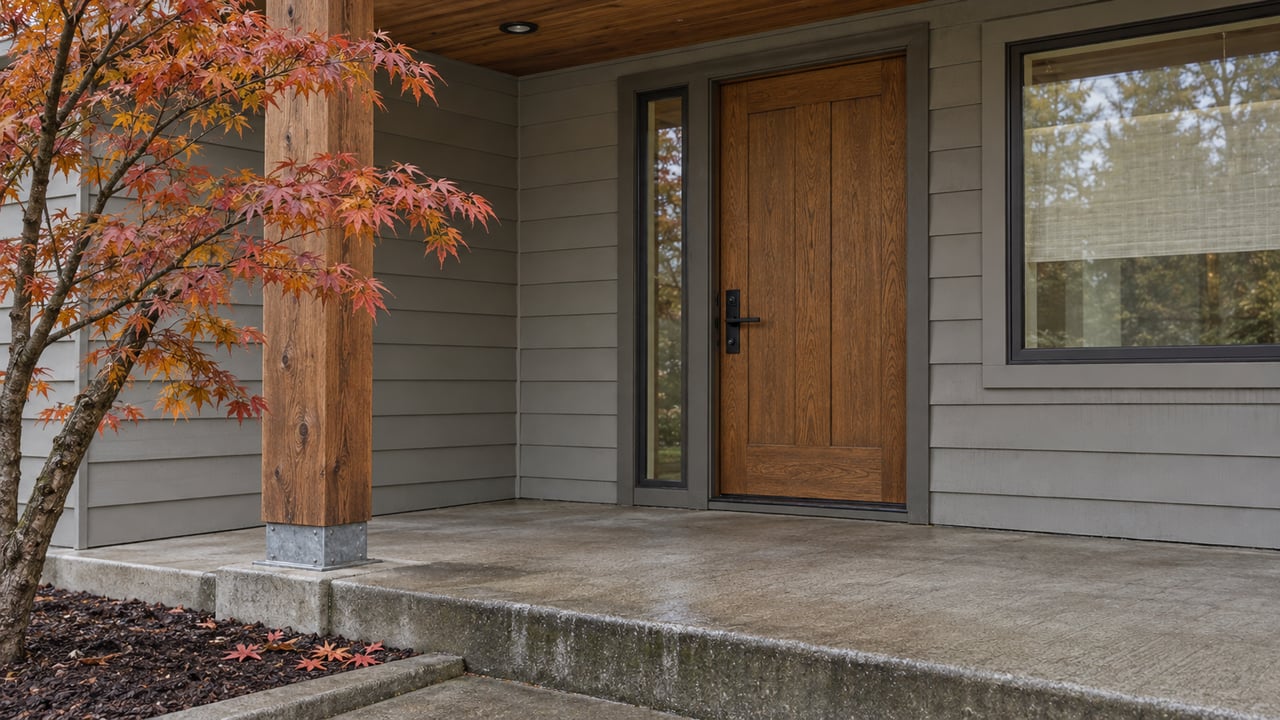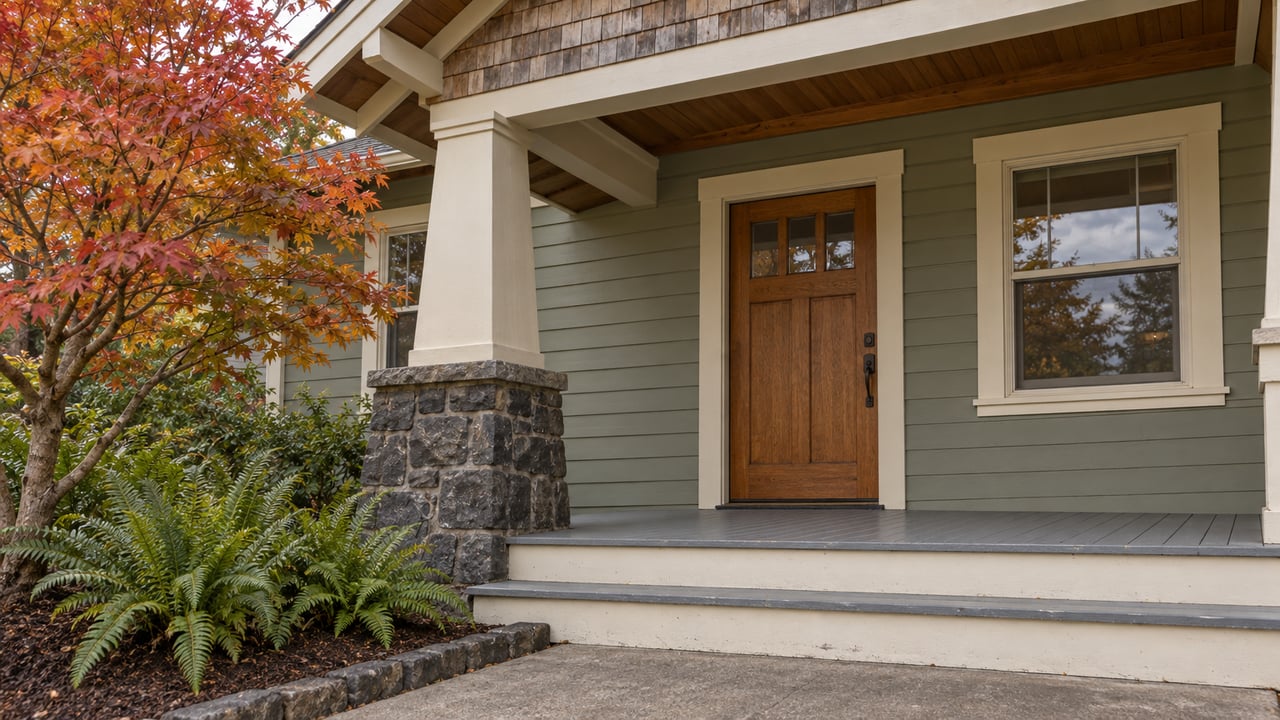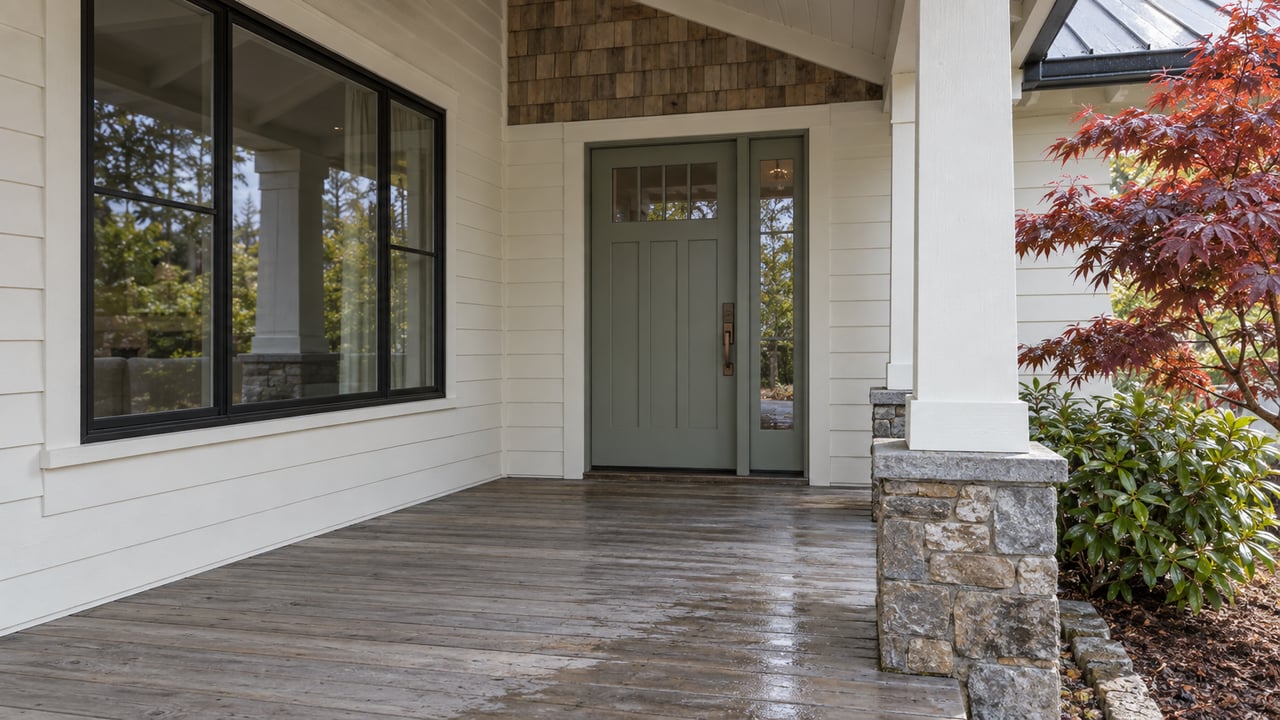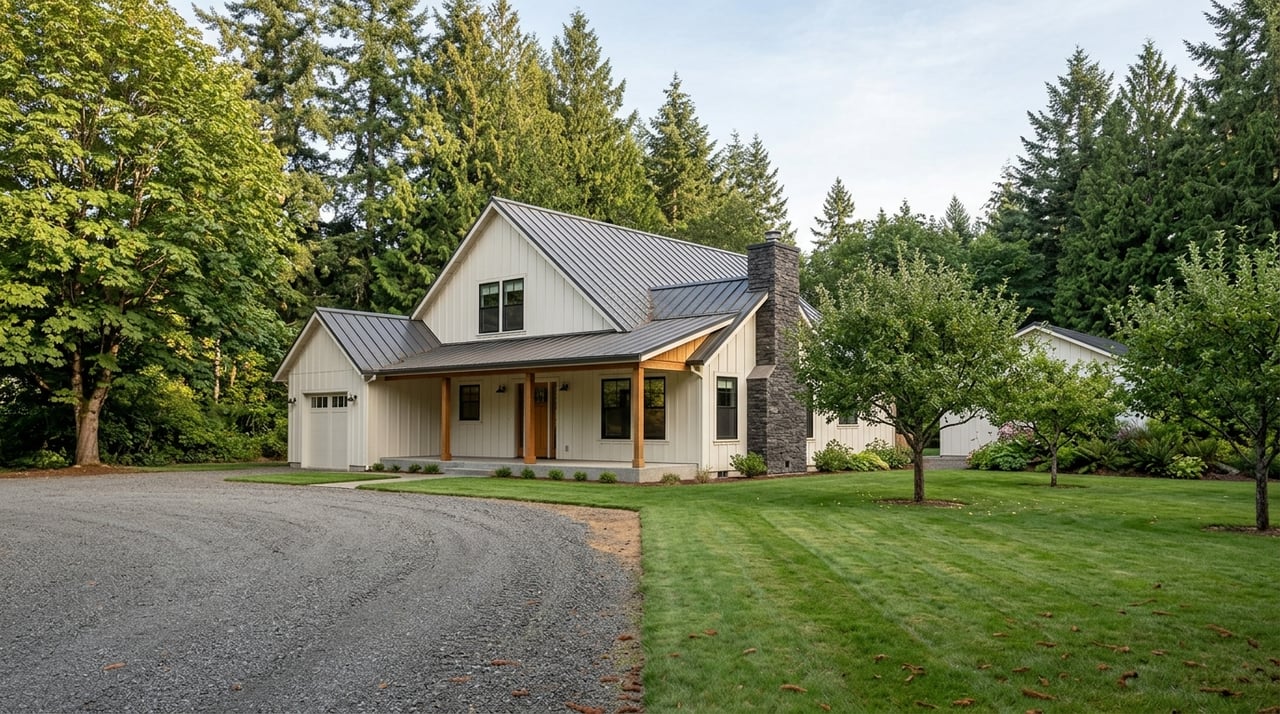
Thinking about acreage near Camas? It is easy to picture the privacy, extra elbow room, and space for projects, animals, or a big garden. But acreage in this area can mean very different things depending on where the property sits and how the land is zoned, served, and legally defined. If you are weighing a move, this guide will help you understand what acreage near Camas really looks like, what to check before you buy, and how to make a smart decision with fewer surprises. Let’s dive in.
What acreage near Camas can mean
Camas is a fast-growing community on the Columbia River with country landscapes nearby, so acreage here is not always the same as going fully rural. Some properties feel like large-lot homes close to city conveniences, while others are in unincorporated Clark County with a more rural setup and a different set of rules.
In unincorporated Clark County, common rural districts include R-5, R-10, and R-20. These districts are intended for residential living in rural areas while still allowing farming and forestry alongside homes. That matters because the way a parcel is zoned can shape what you can actually do with the land.
For some buyers, “acreage” may mean a home with a little more separation from neighbors. For others, it may mean room for accessory buildings, gardening, hobby uses, or certain equestrian uses. Clark County allows single-family homes, accessory buildings, and some equestrian uses on parcels of 5 acres or more, subject to county standards.
Why buyers like acreage near Camas
A big reason buyers look here is the balance between space and access. You can get a more private, less subdivision-like setting without giving up connection to parks, trails, and everyday services.
Camas has a strong recreation network. The city maintains 16 developed parks, 12 miles of city trails, and more than 1,060 acres of parks and open space. That means your lifestyle is not limited to your own property line.
If you enjoy being outside, this area gives you options close to home. The Heritage Trail around Lacamas Lake, plus trails in Lacamas Park, Lacamas Creek Park, and the Washougal River Greenway, offer easy access to walking, running, and exploring.
Camas and its urban growth boundary also include 946 acres across 26 miles of shoreline on lakes and rivers. For many buyers, that mix of outdoor access and extra room is the appeal. You are buying space, but you are also buying a different day-to-day feel.
Rural uses can vary by parcel
One of the biggest misconceptions about acreage is that more land automatically means more freedom. In reality, what you can do depends on zoning, parcel size, and county standards.
Many lifestyle buyers are drawn to uses like gardens, hobby farming, some livestock, equestrian activities, or adding accessory structures. In Clark County’s rural code, some of these uses may be allowed, but they are not one-size-fits-all across every property.
That is why it helps to stay practical. If you want a shop, animals, extra outbuildings, or room for future projects, the right question is not just “How many acres is it?” The better question is “What does this specific parcel allow?”
Check utilities early
Utilities are one of the first things to sort out with acreage near Camas. A property inside the city service framework will live differently from a rural property outside city limits.
The City of Camas provides police, fire, ambulance, water supply, sewage collection and treatment, and related services within the city framework. Outside city limits, rural properties commonly rely on private on-site sewage systems instead of centralized sewer.
Washington Department of Health says septic systems are common in rural areas without centralized sewer, and homeowners own and operate them. Inspection schedules matter too. Gravity systems must be inspected at least every three years, while other on-site sewage systems require annual inspection.
Clark County notes that septic system information may be available through its onlineRME Property Search. For buyers, this is a reminder that utility questions are not small details on acreage. They are central to how the property functions and what ownership will feel like over time.
Confirm legal lot status
Legal lot status is one of the most important due-diligence items on acreage. It is also one of the easiest issues to overlook if you focus only on the land’s appearance.
Clark County says legal lot status depends on zoning and the platting rules in effect when the lot was created. In rural areas, a division of four lots or fewer is a short plat. A parcel may look straightforward in a listing, but its legal history can be more complicated.
This matters because acreage can involve older divisions, boundary adjustments, or long-ago platting decisions that affect what is actually buildable or usable. Clark County encourages buyers to ask for prior permits, sales history, or a formal legal lot determination before purchase.
If you are considering vacant or partially improved acreage, this step becomes even more important. A beautiful piece of land is not the same thing as a legal, buildable lot.
Watch for shoreline rules
Water-adjacent acreage can be especially appealing near Camas, but it can also come with extra rules. If a property touches a lake, creek, or river, shoreline regulations may affect what you can build or change.
According to the City of Camas, shorelines are protected by local, state, and federal laws. New or replacement docks and other over-water structures require permits.
For you as a buyer, the takeaway is simple. If part of the property’s appeal is the water setting, make sure you understand how that setting affects your plans. Spacious land does not always mean unrestricted improvements.
Think about commute and access
Acreage near Camas can offer a peaceful setting, but your day-to-day routine still matters. Two properties with similar lot sizes can feel very different if one is close to the city grid or SR-14 and the other sits deeper into a rural road network.
For regional commuting, SR-14 and I-205 are the key corridors. WSDOT reports that the 7-mile peak morning trip from Camas to the I-205 interchange on SR-14 averaged 10 minutes in its 2023 mobility analysis. It also reported that the 8-mile morning commute between the I-5 interchange and the Glenn Jackson Bridge on I-205 averaged 14 minutes.
Transit is part of the picture too. C-TRAN’s Current on-demand service includes a Camas/Washougal zone with direct connections to Fisher’s Landing Transit Center, and Route #41 SR 14 runs east to Camas and Washougal.
The bigger point is that commute time is highly site-specific. Before you fall in love with the setting, picture the actual drive to the freeway, errands, and transit connections. Acreage can be a great lifestyle fit, but access still shapes daily life.
A smart acreage buying checklist
If you are serious about buying acreage near Camas, it helps to slow down and verify the basics before you get attached. A little early research can save you from expensive surprises later.
Here are some of the biggest items to review:
- Confirm the property’s zoning and rural district
- Ask what uses are allowed on that specific parcel
- Verify whether the lot is legal and buildable
- Review prior permits, sales history, or lot determination records
- Check water, sewer, or septic setup
- Review septic records when applicable
- Look at shoreline constraints if the parcel is near water
- Test the real commute to work, shopping, or transit access
This is where clear guidance matters. Acreage purchases often involve more moving parts than a standard in-town home, and having a calm, local process can make a big difference.
Is acreage near Camas right for you?
Acreage near Camas tends to work best if you want a semi-rural feel, more privacy, and room for projects or outdoor living. It can be a strong fit if you like the idea of space without being too far from parks, trails, and city amenities.
It may be especially appealing if you are looking for room for a garden, accessory structures, some animal-related uses, or a less subdivision-like setting. At the same time, it usually works best for buyers who are comfortable doing careful due diligence on zoning, utilities, legal lot history, and commute patterns.
In other words, acreage near Camas can be an excellent lifestyle move when your expectations match the property’s actual rules and setup. The right parcel is not just about size. It is about fit.
If you are exploring acreage near Camas and want straightforward advice on how a property may fit your goals, Daniel Treacy can help you evaluate the details and move forward with clarity.
FAQs
What does acreage near Camas WA usually mean for homebuyers?
- It can mean anything from a large-lot home near city amenities to a more rural parcel in unincorporated Clark County, so zoning, legal lot status, and utility setup all matter.
What rural zoning should homebuyers know about near Camas WA?
- In unincorporated Clark County, common rural districts include R-5, R-10, and R-20, which are intended for rural residential living while still allowing farming and forestry alongside homes.
What utility issues should acreage homebuyers check near Camas WA?
- Buyers should confirm whether the property is served by city utilities or relies on private systems like septic, and should review septic records and inspection requirements when applicable.
What should homebuyers verify about legal lot status near Camas WA?
- Buyers should confirm that the parcel is a legal, buildable lot and review prior permits, sales history, boundary history, or a formal legal lot determination if needed.
What commute factors matter when buying acreage near Camas WA?
- The most important factor is the specific location of the property, because access to SR-14, I-205, local roads, and transit can make daily travel much easier or much longer.