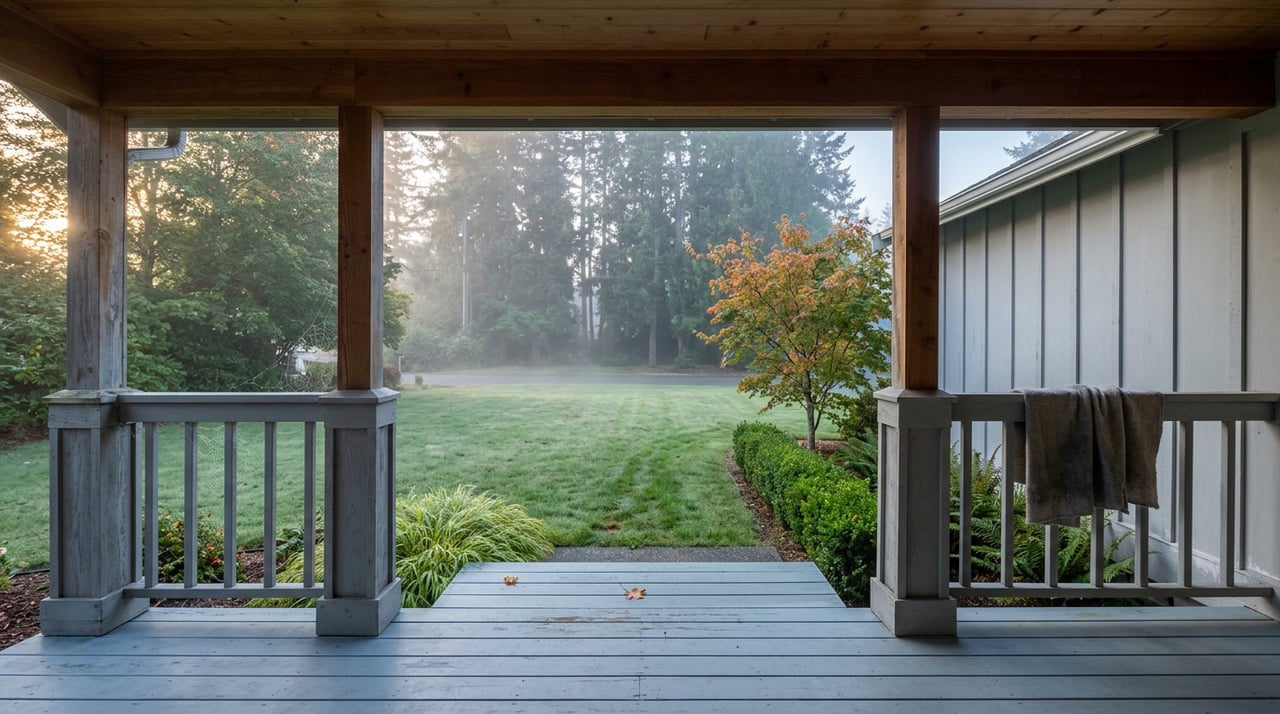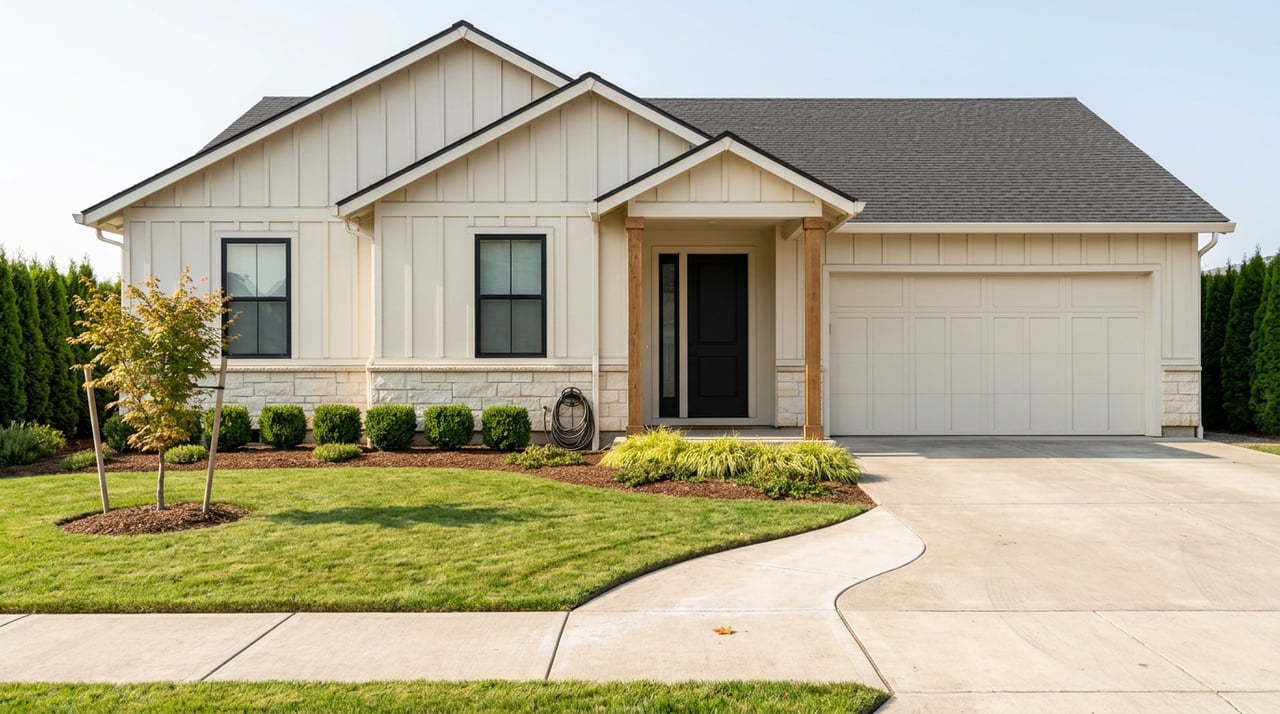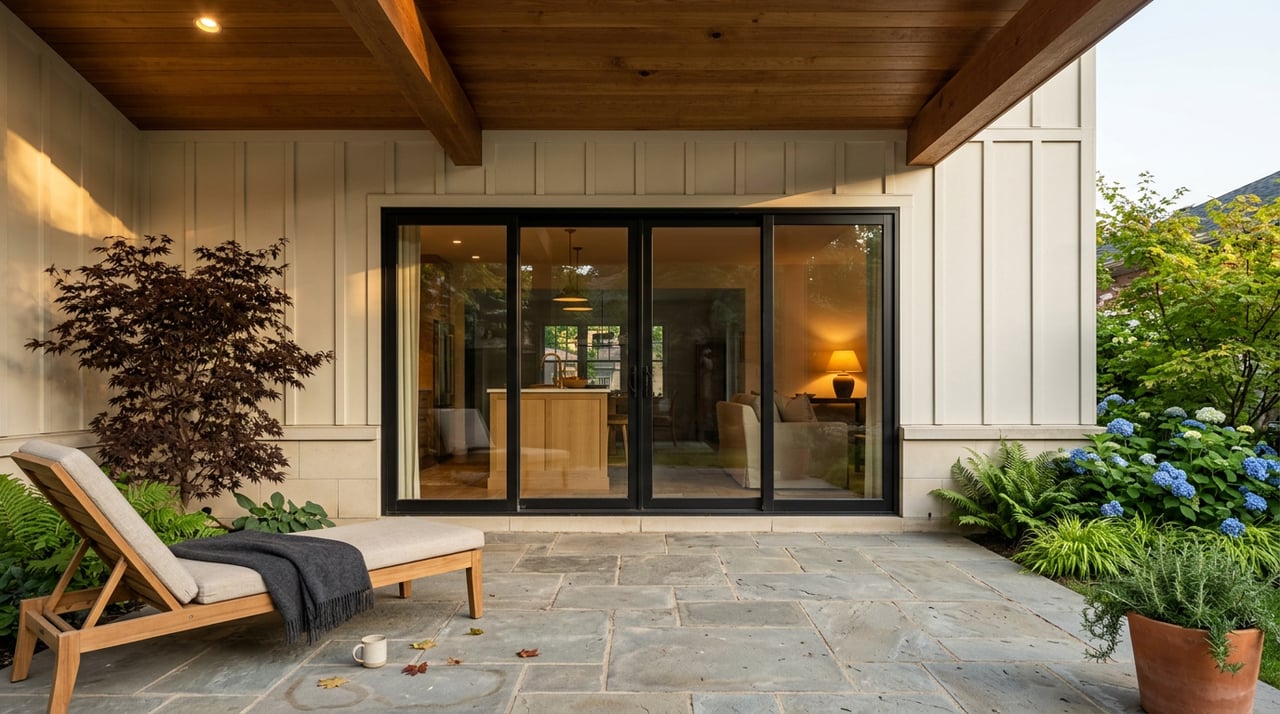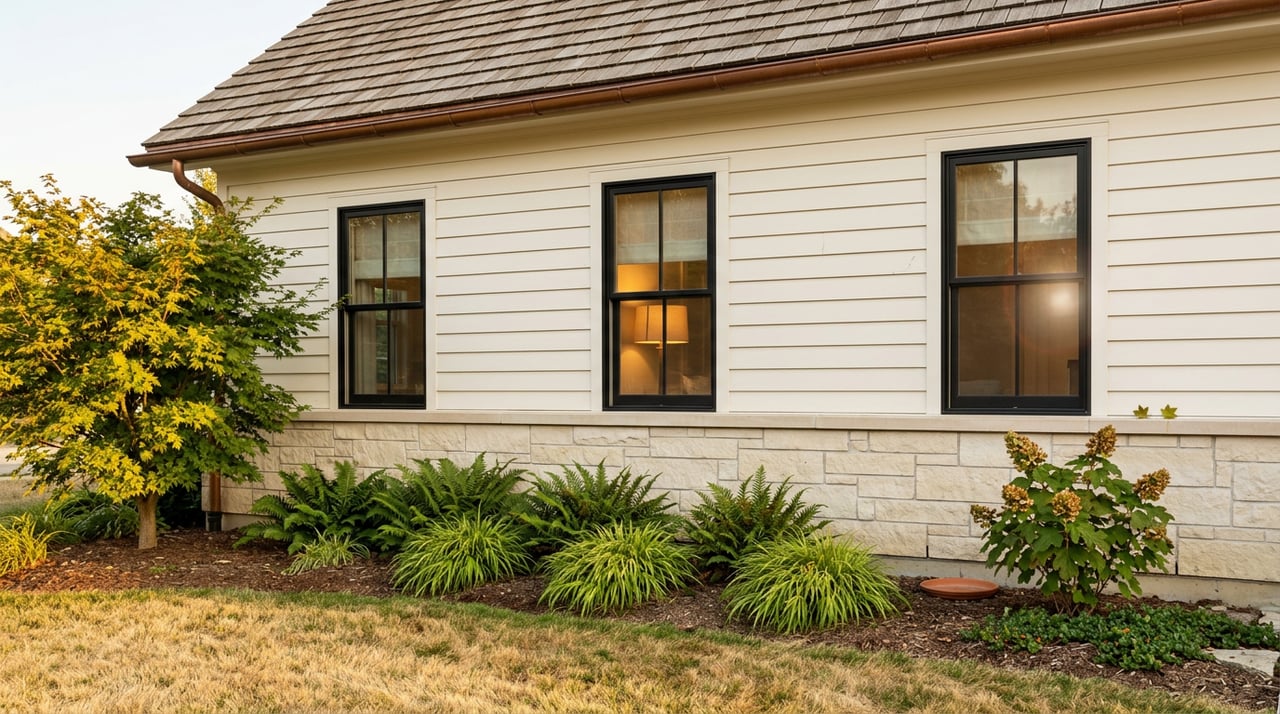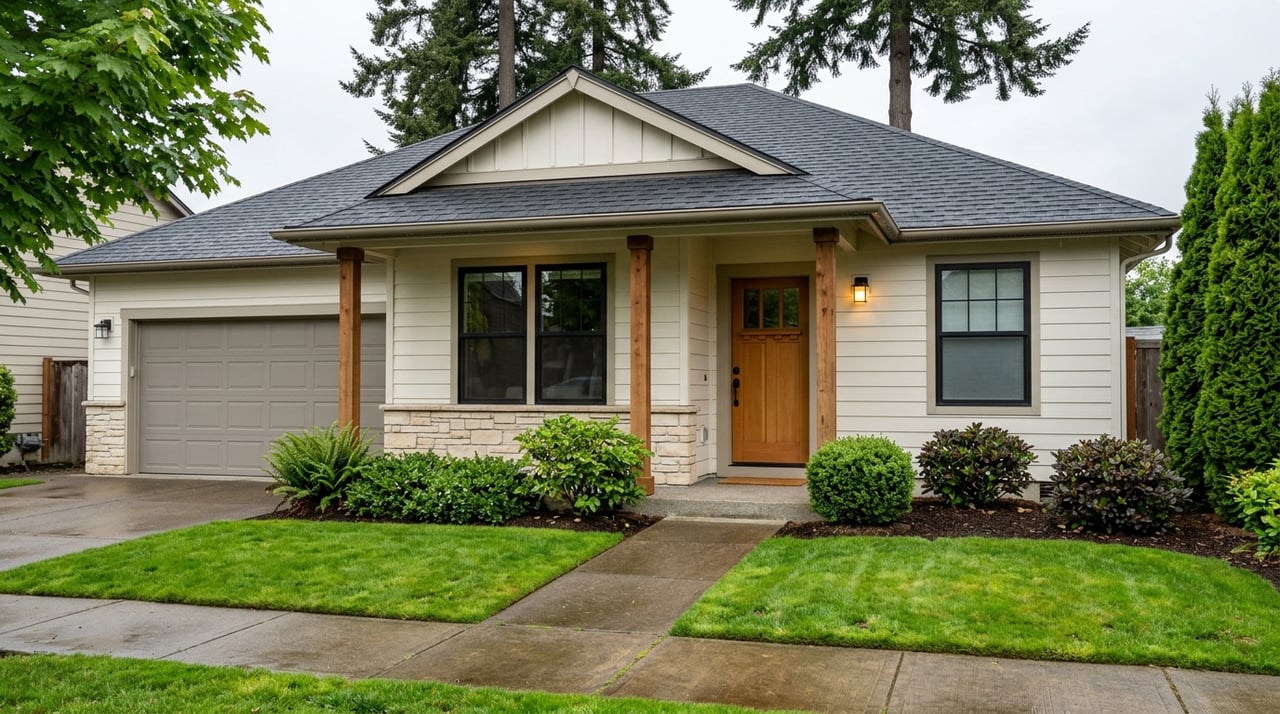
Thinking about leaving Portland or Vancouver for more space and a different pace? Ridgefield often comes up for people who want easier access to parks, newer neighborhoods, and a community that still feels connected to the Portland-Vancouver metro area. If you are weighing the move, this guide will help you understand what daily life, housing, commuting, and move-in logistics really look like in Ridgefield. Let’s dive in.
Why Ridgefield draws movers
Ridgefield is a fast-growing city in northern Clark County along the I-5 corridor. The U.S. Census Bureau estimates the population at 16,132 as of July 1, 2025, up from 10,319 in the 2020 Census. That growth tells you people are paying attention, but it does not mean Ridgefield feels like a big city.
The city describes Ridgefield as a small-town community with parks, trails, and close proximity to the Portland-Vancouver metro area. Its planning documents also show a focus on quality neighborhoods, pedestrian connections, and protection of natural areas. In simple terms, you get a place that is growing on purpose, not just growing fast.
What Ridgefield feels like day to day
If you are coming from Portland, Ridgefield will likely feel quieter, newer, and less dense. If you are coming from Vancouver, the transition may feel more familiar, but Ridgefield still tends to read as more small-town in character. Historic Downtown plays a big role in that identity.
The city calls downtown Ridgefield its civic center, with City Hall, the post office, community library, community center, and police station all nearby. You also have access to waterfront trails, a boat launch, and the 5,300-acre Ridgefield National Wildlife Refuge. That mix gives the city a practical, outdoors-oriented feel rather than a purely commuter-town vibe.
Is Ridgefield rural or suburban?
The most accurate answer is that Ridgefield sits somewhere in between, with a strong small-town identity. You will find newer subdivisions, a downtown core, parks and trails, and planning for mixed-use and employment areas. It is not best described as purely rural, and it is not the same as a more built-out inner suburb either.
That balance is part of the appeal for many movers. You can get a more local feel and often more breathing room while still staying tied to major regional job centers through I-5 and transit connections.
Housing in Ridgefield
Ridgefield is not a one-style housing market. The city’s zoning allows for low-density residential areas that are mainly single-family detached homes, along with medium-density and mixed-use areas that support a broader range of housing types. For you as a buyer, that means Ridgefield includes a mix of newer subdivisions and some higher-density pockets rather than one uniform housing pattern.
The city also notes that new homes are constantly being built around town. If you are moving from Portland or Vancouver and want newer construction, Ridgefield may offer more of that than many older in-city neighborhoods. At the same time, you still want to compare location, lot size, HOA rules, and commute impact before deciding that a newer home is automatically the better fit.
HOA expectations in Ridgefield
One important local detail is that most neighborhoods have HOAs, and new subdivisions are required to have one. If you are moving from an area where HOA rules were rare or minimal, this deserves extra attention early in your search. It can affect everything from dues and exterior changes to parking and shared space rules.
Before you get too far into a home choice, it is smart to verify the HOA status and review what applies to that property. That small step can prevent big surprises later.
City limits are not always obvious
This catches some relocating buyers off guard. Not every property with a Ridgefield mailing address is actually inside Ridgefield city limits. The city advises buyers to verify jurisdiction and use Clark County’s Property Information Center for parcel-level confirmation before assuming a property falls under city rules, utilities, or HOA expectations.
That matters because city limits can affect zoning, utility setup, and the local rules tied to the property. If you are comparing homes on the edge of town, this is one of the first details worth checking.
Cost considerations when moving to Ridgefield
Crossing from Oregon into Washington can change how your monthly costs look. Washington does not have an individual or corporate income tax, according to the Washington State Department of Revenue. At the same time, Washington does levy sales and use tax, and property taxes still need to be part of your budget.
For property taxes, Washington uses county assessors to value property and county treasurers to collect taxes. Clark County says tax bills depend on assessed value, local taxing-district budgets, and voter-approved levies. Property taxes also help fund local services such as schools, fire protection, libraries, parks, roads, transit, and other public services.
If you are comparing your current payment to a future Ridgefield payment, ask for a property-tax estimate during the buying process. Clark County and the state also note that some seniors and persons with disabilities may qualify for exemptions or deferrals, so that is another question worth raising if it may apply to your household.
What commuting looks like
For many movers, commute questions come before home questions. Ridgefield’s transportation pattern is built around I-5, park-and-ride use, and C-TRAN service rather than rail. That is important if you are used to thinking about transit in Portland terms.
WSDOT lists the Ridgefield Park and Ride at I-5 and SR 501, with C-TRAN as the operator. C-TRAN’s Route 48 serves Ridgefield and La Center and connects to places including Junction Park & Ride, ilani, and 99th Street Transit Center. The Current also provides on-demand service in the Ridgefield and La Center zone and connects riders to Junction Park & Ride.
C-TRAN also offers regional and express service to Portland. So yes, it is possible to reduce how often you drive, but the system works differently than a dense urban transit network. In Ridgefield, many people think in terms of park-and-ride access, bus connections, and route planning rather than rail stops.
The Census Bureau estimates Ridgefield’s mean travel time to work at 24.8 minutes. That does not tell you what your exact trip will be, but it does help frame Ridgefield as a city where commuting is common without automatically meaning a long inner-city drive every day.
Utilities and setup after you move
Utility setup in Ridgefield is straightforward once you know who serves the property. The City of Ridgefield provides water and stormwater within city limits, while sewer is handled by Clark Regional Wastewater District. Other common providers listed by the city include Clark Public Utilities for electricity, Northwest Natural for gas, Waste Connections for garbage, and Xfinity, CenturyLink, and Frontier for internet and phone service.
The key thing is not to assume service based on the mailing address alone. Because city limits and service areas can vary, it is smart to confirm the exact setup by parcel before move-in. That can save you from last-minute confusion during a busy week.
A smart move-in sequence
A smoother move usually comes down to doing the local checks in the right order. If you are buying in Ridgefield, these are the main items to handle early:
- Verify city limits, zoning, and HOA status before closing or right after an accepted offer.
- Ask your lender, title company, or agent for a property-tax estimate.
- Ask whether any property-tax exemptions or deferrals may apply to you.
- Decide whether your commute will rely on driving, park-and-ride, or C-TRAN service.
- Test your route before your first workday if possible.
- Set up water, sewer, electricity, gas, garbage, and internet before move-in.
- Confirm service providers by parcel, not just by mailing address.
If property lines, easements, access, title questions, or survey concerns come up, Clark County says it does not provide legal advice or survey inspections. In those situations, the county directs residents to a real property attorney or professional surveyor. That is a helpful line to remember when a question moves beyond routine homebuying due diligence.
How to know if Ridgefield is the right fit
Ridgefield can be a strong fit if you want a smaller community feel, newer housing options, access to parks and trails, and a location that still connects well to the broader metro area. It can also work well if you are comfortable with a car-centered lifestyle that may include park-and-ride or bus connections instead of rail.
It may be less ideal if you want a dense urban environment or if you prefer older in-city neighborhoods with fewer HOA-managed communities. That is why the best relocation decisions usually come from matching your daily routine to the place, not just reacting to listing photos or a map search.
If you are moving from Portland or Vancouver to Ridgefield, local details matter. A dual-state perspective can help you compare tradeoffs clearly, ask the right questions, and avoid surprises around taxes, commute patterns, city limits, and neighborhood structure. If you want a steady, practical guide as you make the move, Daniel Treacy can help you sort through the options and move forward with confidence.
FAQs
Is Ridgefield a good option for people moving from Portland or Vancouver?
- Ridgefield can be a good fit if you want a smaller-town feel, newer neighborhoods, strong park and trail access, and a location along the I-5 corridor that stays connected to the Portland-Vancouver region.
Does Ridgefield feel more rural or more suburban?
- Ridgefield is best described as a growing small-town market with suburban-style new subdivisions, a downtown core, and access to natural areas rather than as purely rural or fully urban.
Are most Ridgefield neighborhoods part of an HOA?
- Yes, the city says most neighborhoods have HOAs, and new subdivisions are required to have one.
Can you commute from Ridgefield without driving every day?
- You may be able to, since Ridgefield has park-and-ride access, C-TRAN Route 48, on-demand service through The Current, and regional and express service connections, but the system is built more around bus and park-and-ride use than rail.
What should you verify before buying a home in Ridgefield?
- Verify city limits, zoning, HOA status, utility providers, and a property-tax estimate, especially because not every Ridgefield mailing address falls within Ridgefield city limits.
What utilities do you need to set up in Ridgefield?
- Depending on the property, you may need to set up water, sewer, electricity, gas, garbage, and internet, and you should confirm the exact providers by parcel before move-in.